


Freelancing offers flexibility, independence, and the opportunity to work on diverse projects. However, it also comes with tax responsibilities that can be confusing for independent contractors, gig workers, and self-employed professionals in the USA. Unlike traditional employees, freelancers must handle their own tax withholdings, deductions, and filings.
In this comprehensive guide, we’ll cover essential freelancer tax tips to help you minimize your tax burden, stay compliant with IRS rules, and maximize your earnings.
Table of Contents
- Understanding Freelancer Taxes in the USA
- Are Freelancers Considered Self-Employed?
- Key Tax Forms for Freelancers
- Estimated Quarterly Taxes
- Freelancer Tax Deductions to Reduce Your Bill
- Home Office Deduction
- Business Expenses
- Health Insurance Premiums
- Retirement Contributions
- How to Track Income and Expenses for Taxes
- Best Accounting Tools for Freelancers
- Separating Personal and Business Finances
- Avoiding Common Freelancer Tax Mistakes
- Underpaying Estimated Taxes
- Missing Deductions
- Not Keeping Proper Records
- Freelancer Tax Filing Strategies
- Choosing the Right Tax Filing Status
- Hiring a Tax Professional vs. DIY
- State-Specific Tax Considerations for Freelancers
- States with No Income Tax
- Local Tax Obligations
- How to Handle IRS Audits as a Freelancer
- Red Flags That Trigger Audits
- What to Do If You’re Audited
- Tax Planning for Freelancers: Long-Term Strategies
- Setting Aside Money for Taxes
- Incorporating Your Business for Tax Benefits
- Resources for Freelancers to Stay Tax-Compliant
- IRS Resources
- Helpful Tax Software
- Final Thoughts: Staying Organized and Stress-Free
1. Understanding Freelancer Taxes in the USA
Are Freelancers Considered Self-Employed?
Yes, the IRS classifies freelancers as self-employed individuals, meaning you’re responsible for paying:
- Income tax (federal and state)
- Self-employment tax (Social Security + Medicare, totaling 15.3%)
Unlike W-2 employees, taxes aren’t automatically withheld from your paychecks, so you must plan accordingly.
Key Tax Forms for Freelancers
- Form 1099-NEC – Provided by clients who pay you $600+ in a year.
- Schedule C (Form 1040) – Reports business income and expenses.
- Schedule SE (Form 1040) – Calculates self-employment tax.
- Form 1040-ES – Used for estimated quarterly tax payments.
Estimated Quarterly Taxes
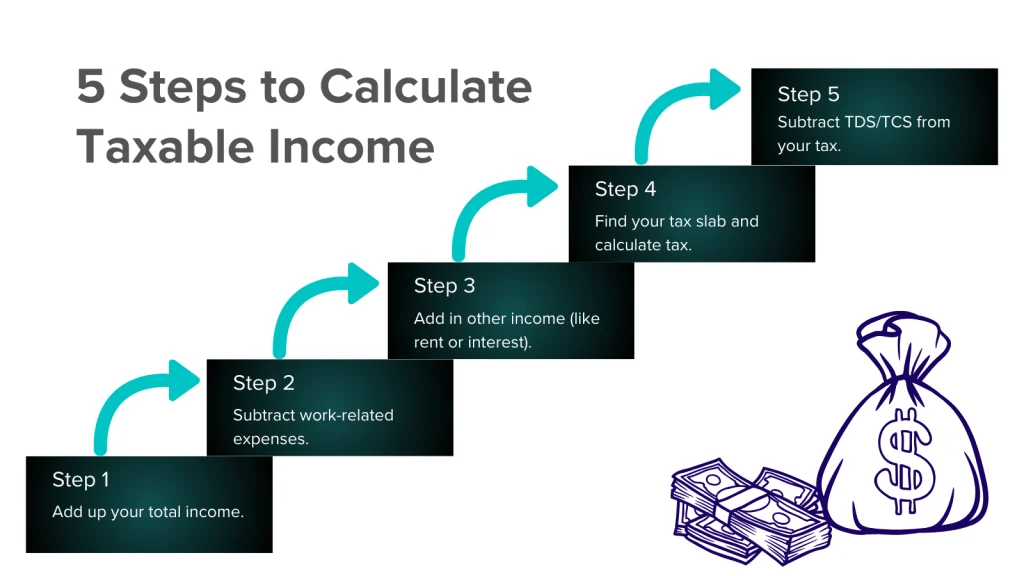
How to calculate estimated taxes:
- Estimate your annual income.
- Deduct business expenses.
- Calculate income tax + self-employment tax (15.3%).
- Divide by 4 for quarterly payments.
2. Freelancer Tax Deductions to Reduce Your Bill
Freelancers can deduct ordinary and necessary business expenses, lowering taxable income. Key deductions include:
Home Office Deduction
If you work from home, you can deduct a portion of rent, utilities, and internet. Options:
- Simplified method: $5 per sq. ft. (up to 300 sq. ft.).
- Actual expenses method: Deduct a percentage of home costs based on office space.
Business Expenses
- Software & Tools (e.g., Adobe, QuickBooks, Canva)
- Office Supplies (laptop, printer, paper)
- Marketing & Advertising (website hosting, business cards)
- Travel & Meals (business-related trips, client lunches at 50%)
- Professional Development (courses, certifications, conferences)
Health Insurance Premiums
Self-employed individuals can deduct 100% of health insurance premiums (if not covered by an employer plan).
Retirement Contributions
- Solo 401(k) or SEP IRA contributions reduce taxable income.
3. How to Track Income and Expenses for Taxes
Best Accounting Tools for Freelancers
- QuickBooks Self-Employed (tracks income/expenses + estimates taxes)
- FreshBooks (invoicing + expense tracking)
- Wave (free accounting software)
- Excel/Google Sheets (manual tracking)
Separating Personal and Business Finances
- Open a dedicated business bank account.
- Use a business credit card for expenses.
- Keep digital copies of receipts (tools like Evernote or Expensify help).
4. Avoiding Common Freelancer Tax Mistakes
Underpaying Estimated Taxes → Penalties from the IRS.
Missing Deductions → Overpaying taxes.
Not Keeping Records → Trouble in an audit.
Solution: Set aside 25-30% of income for taxes and track every expense.
5. Freelancer Tax Filing Strategies
Choosing the Right Tax Filing Status
- Single (default for most freelancers).
- Head of Household (if supporting dependents).
Hiring a Tax Professional vs. DIY
- DIY with TurboTax/Self-Employed (good for simple returns).
- Hire a CPA/Enrolled Agent (best if you have multiple income streams or complex deductions).
6. State-Specific Tax Considerations
- No state income tax? (Texas, Florida, Nevada, etc.) → Still pay federal taxes.
- High-tax states? (California, New York) → Deduct state taxes on federal return.
7. How to Handle IRS Audits as a Freelancer
- Red flags: Large deductions, inconsistent income.
- If audited: Provide receipts, bank statements, and documentation.
8. Tax Planning for Freelancers: Long-Term Strategies
- Set up an LLC/S-Corp for potential tax savings.
- Contribute to retirement accounts to lower taxable income.