


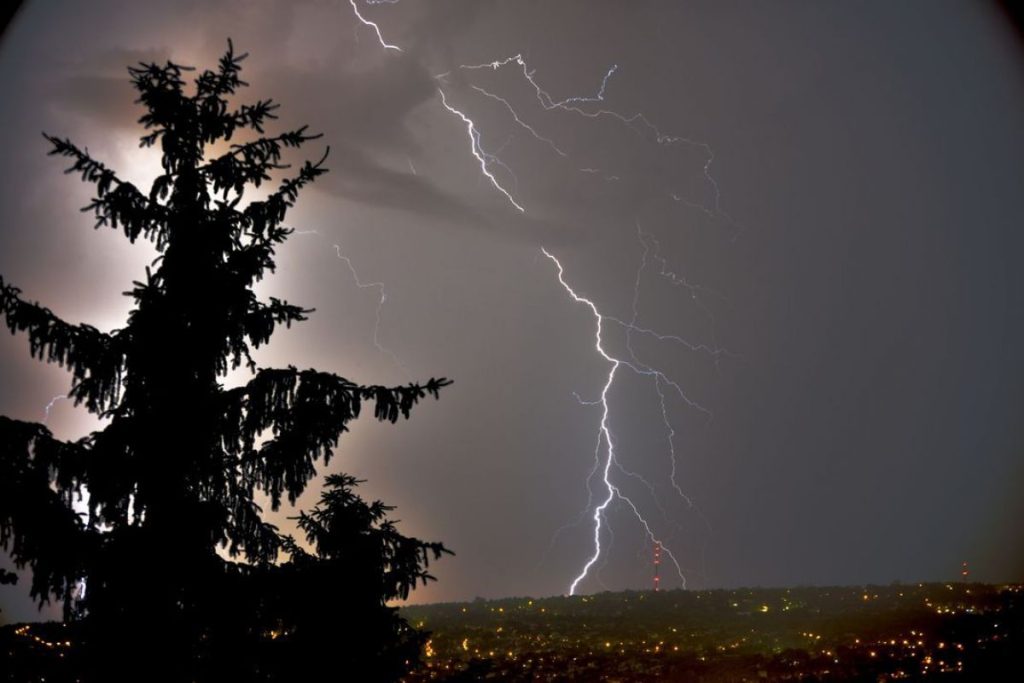
Electrical storms, also known as thunderstorms, are awe-inspiring yet dangerous phenomena. They combine lightning, thunder, heavy rain, and strong winds, creating potentially life-threatening conditions. This guide dives deep into understanding, preparing for, and staying safe during these intense weather events.
Causes of Electrical Storms
Electrical storms occur due to specific atmospheric conditions:
- Atmospheric Conditions: Thunderstorms form when warm, moist air rises rapidly into colder layers of the atmosphere. This movement generates instability, creating storm clouds.
- Role of Humidity and Temperature: Higher temperatures and humidity levels increase the likelihood and intensity of electrical storms, especially in tropical regions.
Signs of an Incoming Electrical Storm
Being aware of the warning signs is crucial:
- Cloud Formations: Look for cumulonimbus clouds—towering structures with dark, dense bases.
- Changes in Wind Patterns: A sudden shift in wind direction or speed may indicate an approaching storm.
- Temperature Drops: A noticeable drop in temperature often precedes a thunderstorm.
Intensity Levels of Electrical Storms
Not all electrical storms are the same:
- Classifications Based on Severity: Electrical storms range from mild to severe, with some capable of causing widespread damage.
- Differences in Storm Patterns: Single-cell storms are short-lived, while supercell storms are more powerful and long-lasting.
Dangers Associated with Electrical Storms
Electrical storms pose multiple hazards:
- Lightning Strikes: These can cause injuries, fires, and structural damage.
- Power Outages: High winds and lightning can disrupt power lines, leading to prolonged outages.
- Fire Hazards: Dry conditions combined with lightning increase the risk of wildfires.
Safety Precautions During an Electrical Storm
Your safety should be the top priority:
- Indoor Safety Tips: Stay away from windows and unplug electronic devices to prevent damage from power surges.
- Outdoor Safety Guidelines: Seek shelter immediately and avoid open fields, tall trees, or bodies of water.
What to Avoid During Electrical Storms
Missteps during a storm can be fatal:
- Risky Behaviors: Avoid using electrical appliances, showering, or standing near metallic objects.
- Common Misconceptions: Rubber tires of a car won’t protect you from lightning; it’s the metal frame acting as a Faraday cage.
Emergency Preparedness
Preparation can save lives:
- Creating a Storm Survival Kit: Include flashlights, batteries, non-perishable food, water, and a first-aid kit.
- Communication Plans: Have an emergency contact list and know your area’s evacuation routes.
Impact of Electrical Storms on Infrastructure
Storms often disrupt essential systems:
- Effects on Power Grids: Lightning strikes can overload power systems, causing blackouts.
- Damage to Buildings and Technology: Electrical surges can destroy devices and weaken structural integrity.
Electrical Storms and Climate Change
Climate change is altering weather patterns:
- Increased Frequency and Intensity: Global warming leads to more frequent and severe electrical storms.
- Connection to Global Warming: Rising sea temperatures provide the energy required for stronger storms.
The Role of Weather Forecasting
Forecasting tools play a crucial role in storm preparedness:
- Tools and Technologies: Radar, satellite imagery, and AI models help predict storms accurately.
- Importance of Timely Warnings: Early alerts can save lives and minimize damage.
Historical Instances of Severe Electrical Storms
Looking back at impactful storms:
- Case Studies: Events like the “Super Outbreak” of 1974 highlight the devastating power of electrical storms.
- Lessons Learned: Improved forecasting and better preparedness have reduced fatalities over time.
Post-Storm Recovery and Safety
Recovering from a storm requires careful planning:
- Assessing Damage: Inspect properties for structural and electrical damage before re-entering.
- Restoring Normalcy: Prioritize essential repairs and seek professional help for damaged systems.
Myths and Facts About Electrical Storms
Let’s bust some myths:
- Debunking Popular Myths: “Lightning never strikes the same place twice” is false—it often strikes tall structures repeatedly.
- Verified Scientific Truths: Understanding storm behavior can debunk fears and encourage proper safety practices.
FAQs on Electrical Storm Safety
- What’s the safest place during an electrical storm?
Indoors, away from windows and electrical appliances. - Can lightning strike through windows?
Yes, lightning can enter through glass and open structures. - How can I prepare my home for an electrical storm?
Install surge protectors, secure loose items outdoors, and have an emergency kit ready. - Is it safe to drive during a thunderstorm?
Yes, but avoid open areas where your car could be the tallest object. - Why do electrical storms happen more in summer?
Warm, humid air in summer creates ideal conditions for storm formation. - How does climate change affect electrical storms?
It increases their frequency and intensity by altering atmospheric conditions.
Conclusion
Electrical storms are formidable forces of nature. Understanding their causes, preparing for emergencies, and staying informed can significantly reduce risks. Knowledge, preparation, and vigilance are the keys to safety during these intense weather events.